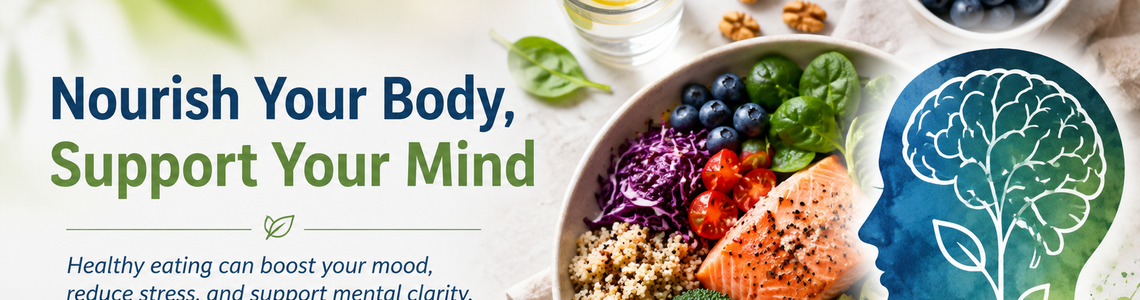
Most people know that eating a balanced diet is important for maintaining physical health. However, fewer realize that the foods we eat can also have a significant impact on our mental and emotional well-being. Growing scientific evidence suggests that nutrition plays an important role in mood regulation, cognitive function, stress management, and overall brain health.
How Food Influences Your Mood
The brain relies on naturally occurring chemicals called neurotransmitters to communicate with the rest of the body. These chemical messengers help regulate emotions, concentration, sleep, appetite, pain perception, and even motivation. Many neurotransmitters are produced using nutrients obtained through a healthy diet, making proper nutrition an essential part of maintaining emotional balance.
Dopamine: The Motivation and Reward Chemical
Dopamine contributes to feelings of pleasure, motivation, focus, and mental alertness. Adequate protein intake provides the amino acids needed for dopamine production.
Foods that support dopamine production include:
- Lean meats
- Fish
- Eggs
- Dairy products
- Tofu
- Beans
- Lentils
Serotonin: Supporting Mood and Sleep
Often referred to as the “feel-good” neurotransmitter, serotonin helps regulate mood, sleep patterns, appetite, and anxiety. The body produces serotonin using the amino acid tryptophan along with several B vitamins.
Good dietary sources include:
- Turkey and chicken
- Dairy products
- Oats
- Nuts and seeds
- Eggs
- Dark chocolate (in moderation)
Endorphins: Your Body’s Natural Pain Relievers
Endorphins help reduce discomfort while promoting feelings of relaxation and emotional well-being. Although exercise is one of the most effective ways to increase endorphin levels, certain foods may also help stimulate their release.
Examples include:
- Dark chocolate
- Strawberries
- Spicy foods
Oxytocin: Encouraging Relaxation and Social Connection
Oxytocin is associated with trust, bonding, and feelings of calmness. While positive social interactions naturally stimulate oxytocin, certain nutrient-rich foods may also support healthy production.
These include:
- Salmon
- Eggs
- Bananas
- Nuts
- Beans
- Legumes
Why Blood Sugar Balance Matters
Many people reach for sugary or high-carbohydrate “comfort foods” during periods of stress. While these foods may provide temporary emotional relief by rapidly increasing blood sugar and activating the brain’s reward system, the effect is often short-lived. As blood sugar levels fall, fatigue, irritability, and mood changes may follow.
Maintaining stable blood sugar through balanced meals and nutritious snacks can help support more consistent energy levels, improved concentration, and a steadier mood throughout the day.
Nutrition Tips for Better Mental Wellness
Small dietary changes can have lasting benefits for both physical and emotional health. Consider incorporating these healthy habits into your daily routine:
Start Your Day with a Balanced Breakfast
Choose a breakfast that combines lean protein, whole grains, healthy fats, and fiber. A nutritious breakfast provides sustained energy and helps improve mental focus throughout the morning.
Prioritize Quality Protein
Protein digests more slowly than simple carbohydrates, helping stabilize blood sugar while supplying the building blocks necessary for neurotransmitter production.
Excellent protein choices include:
- Fish
- Eggs
- Greek yogurt
- Cottage cheese
- Quinoa
- Nuts
- Seeds
- Beans
Choose Complex Carbohydrates
Replace refined carbohydrates such as white bread, pastries, and sugary cereals with nutrient-dense alternatives like:
- Whole grains
- Brown rice
- Oatmeal
- Fresh fruits
- Vegetables
- Legumes
These foods provide fiber, vitamins, minerals, and more sustained energy.
Fill Your Plate with Color
Aim to consume a wide variety of fruits and vegetables every day. Different colors represent different antioxidants, vitamins, and phytonutrients that support brain function, immune health, and inflammation control.
Whenever possible, choose whole fruits instead of fruit juice to benefit from the additional fiber.
Include Healthy Fats
Omega-3 fatty acids play an important role in brain health and have been associated with improved mood and reduced inflammation.
Excellent sources include:
- Salmon
- Sardines
- Flaxseed
- Walnuts
- Chia seeds
- Omega-3 enriched eggs
Stay Hydrated
Even mild dehydration can affect concentration, memory, and energy levels. Drinking adequate water throughout the day helps support optimal brain function.
Limit beverages high in added sugars and excessive caffeine. Green tea can be an excellent alternative, providing antioxidants along with a gentler source of caffeine.
Choose Healthy Snacks
Nutritious snacks between meals can help prevent energy crashes and stabilize blood sugar.
Good options include:
- Fresh fruit
- Raw vegetables
- Mixed nuts
- Cheese
- Greek yogurt
- Hummus
A Healthy Lifestyle Supports Both Body and Mind
Nutrition is just one piece of the wellness puzzle, but it is an important one. When combined with regular physical activity, quality sleep, stress management, and appropriate medical care, a balanced diet can help support emotional resilience, mental clarity, and overall well-being.
At Pain Management Center, we believe in treating the whole person—not just the symptoms. Whether you’re recovering from an injury, managing chronic pain, or working toward better overall health, healthy lifestyle choices can complement treatments such as acupuncture, chiropractic care, massage therapy, and rehabilitative exercise.
The choices you make each day can have a lasting impact on both your physical and emotional health. By nourishing your body with wholesome foods, you’re also giving your brain the nutrients it needs to function at its best.