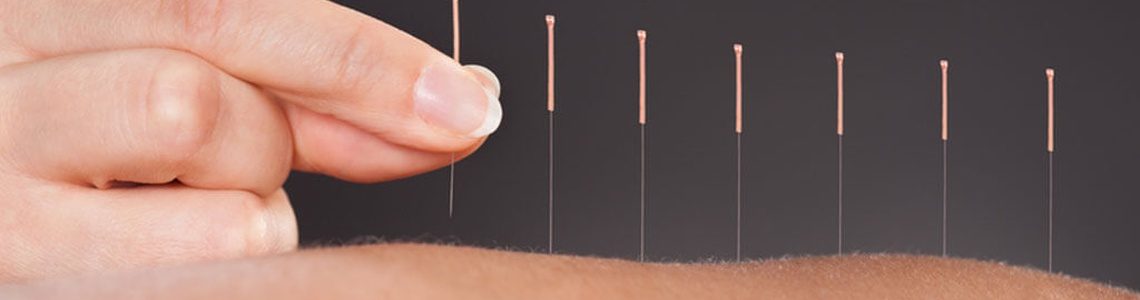
At first glance, the idea of placing tiny needles into the skin might seem unusual. Yet acupuncture has been practiced for thousands of years and remains widely used today to support health and relieve a variety of symptoms.
What Is Acupuncture?
Acupuncture is a key component of Traditional Chinese Medicine (TCM) that dates back more than 2,500 years. The practice involves placing very thin, sterile needles at specific points on the body.
In TCM, health depends on the smooth flow of qi (pronounced “chee”), often described as the body’s vital energy. Qi travels through pathways known as meridians, which connect different systems in the body.
Stress, lifestyle habits, environmental factors, and illness can disrupt this flow. Acupuncture aims to stimulate specific points along these pathways to help restore balance and support the body’s natural healing processes.
What Conditions Can Acupuncture Help With?
Acupuncture is commonly used as part of an integrative approach to healthcare. It is most widely known for helping manage pain, including conditions such as:
- Chronic low back pain
- Neck and joint pain
- Headaches and migraines
It is also often used to help relieve nausea and vomiting, including nausea related to pregnancy or chemotherapy treatments.
What Happens During an Acupuncture Session?
Your first visit typically begins with a consultation. The acupuncturist will ask about your health history, symptoms, lifestyle, and overall well-being. They may also perform a brief exam and observe signs such as your tongue and pulse to better understand patterns of imbalance.
Based on this assessment, the practitioner selects specific acupuncture points tailored to your condition.
During treatment:
- You’ll lie comfortably on a treatment table.
- Very thin needles are gently placed at selected points on the body.
- The needles are usually left in place for 20–30 minutes.
The environment is typically quiet and relaxing, and many patients find the experience calming—some even fall asleep during treatment.
How Do People Feel After Acupuncture?
Most patients report feeling deeply relaxed after a session. Others notice increased energy or a general sense of well-being. Treatments should not leave you feeling worse or in significant pain.
Are Acupuncture Needles Painful?
Acupuncture needles are very different from the hollow needles used for injections or blood draws.
They are:
- Extremely thin (about the width of a hair)
- Solid, sterile, and single-use
- Designed to slide gently between tissues
Most people feel little to no discomfort. Certain areas such as the hands or feet may feel slightly more sensitive, but the sensation is typically brief and mild.
How to Choose a Qualified Acupuncturist
If you’re considering acupuncture, it’s important to see a licensed acupuncturist.
In California, licensed practitioners complete extensive education and clinical training and must pass a state licensing exam. They are also required to complete ongoing continuing education to maintain their license.